

Key Takeaways
- New immigrants start with no U.S. credit history, which affects renting, loan approvals, utilities, and even some job applications, making early credit building essential.
- Secured credit cards, rent reporting, credit-builder loans, and becoming an authorized user are the most effective ways to establish credit quickly in the U.S.
- Payment history and credit utilization have the biggest impact on your score, so paying bills on time and keeping balances low are critical habits.
- Consistency matters; regular positive activity over a few months is enough for most newcomers to generate a credit score and begin qualifying for better financial opportunities.
- Rental Kharma helps new immigrants build credit faster by reporting rent payments to TransUnion and Equifax, turning your largest monthly expense into credit-building power.
Why Credit Matters for New Immigrants
Moving to the United States is an exciting chapter, but it comes with financial challenges that many new arrivals don’t anticipate. One of the biggest surprises is discovering how much your credit score affects daily life in America.
Your credit score influences nearly everything. Landlords check it before approving rental applications. Lenders use it to decide whether you qualify for car loans or mortgages. Even cellphone companies and utility providers may require larger deposits if you don’t have established credit. Some employers review credit as part of background checks.
Unfortunately, even if you had excellent credit in your home country, that history doesn’t follow you to the U.S. The American credit system operates independently, which means you’re essentially starting from scratch. This can feel frustrating, especially if you were financially responsible for years before immigrating.
The good news is that having no credit is very different from having bad credit. No credit simply means lenders don’t have information about you yet. Once you start building a credit history with positive habits, you can establish a solid score relatively quickly.
Rental Kharma: The Fastest Way to Significantly Improve Your Credit Score!
Average 40-Point Score Increase | 4.2★ Google Rating

Get Credit You Deserve:
Add your entire rental payment history to TransUnion and Equifax—regardless of how you pay. See an average 40-point increase in days, plus an additional 60 points in 6–8 weeks with unlimited 1-on-1 mentoring included.
What’s Included:
- ✓ $75 past reporting + $8.95/month membership
- ✓ 720 Credit Ready guidance and no down payment loan strategies
- ✓ Pitfall avoidance to identify predatory lenders
- ✓ Unlimited mentoring sessions with ongoing support
Your largest monthly payment should build your credit. Make it count.
Understanding the U.S. Credit System
Before diving into credit-building strategies, it helps to understand how the system works.
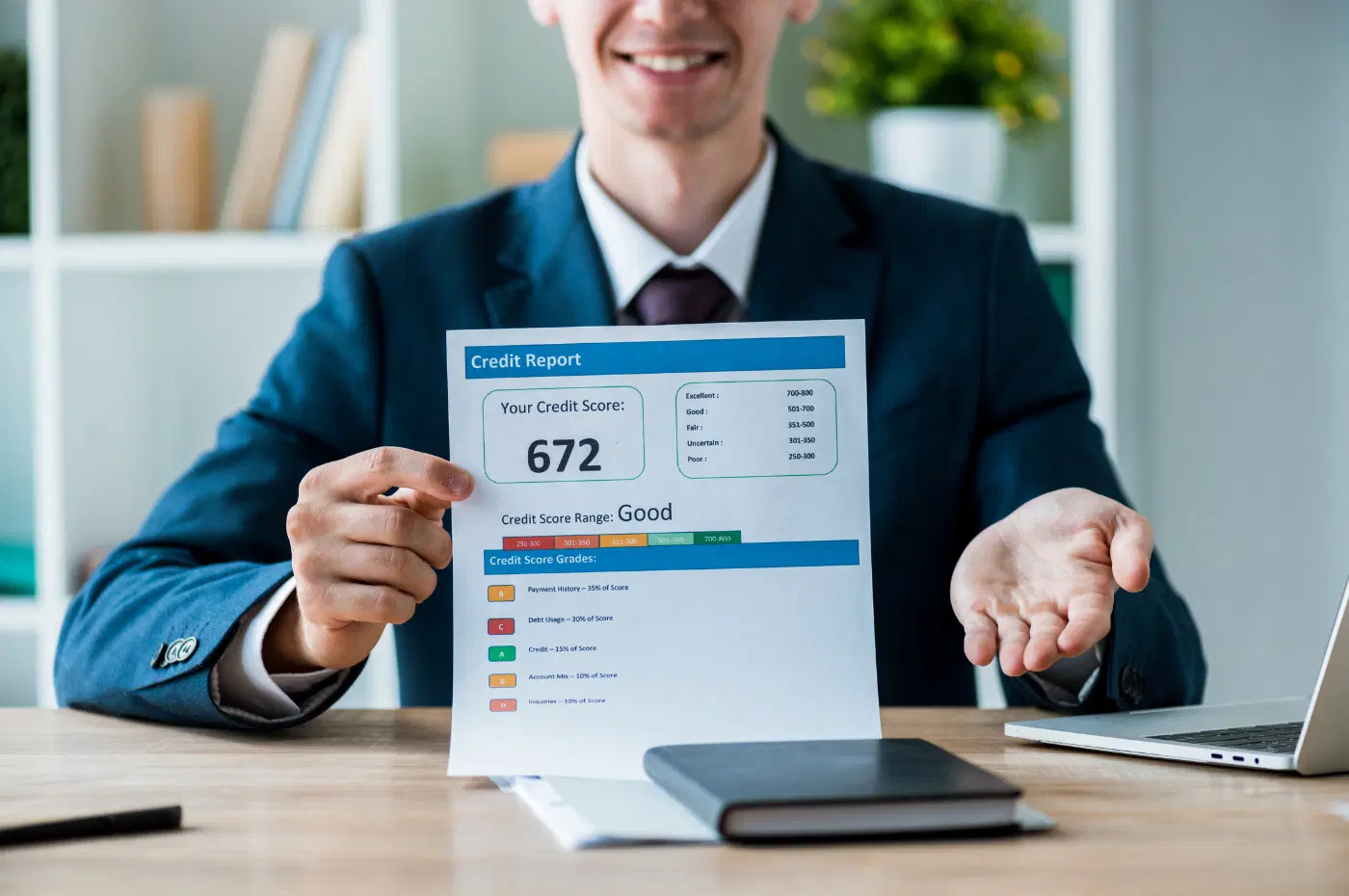
Your credit score is a three-digit number ranging from 300 to 850 that represents your creditworthiness. The higher your score, the more trustworthy you appear to lenders. A score of 670 or above is generally considered good, while 740 and above is very good or excellent.
Three major credit bureaus track your credit history: Equifax, Experian, and TransUnion. These bureaus collect information about your credit accounts, payment history, and debts, then use that data to calculate your score.
Several factors influence your credit score. Payment history carries the most weight, which is why paying bills on time is so important. Credit utilization, or how much of your available credit you’re using, also matters significantly. The length of your credit history, types of credit accounts, and recent credit inquiries round out the picture.
As a new immigrant, you typically need at least three to six months of credit activity before a score can be calculated. This timeline varies depending on the scoring model used.
First Steps: Getting Started
Before you can build credit, you need to establish your financial identity in the U.S.
Apply for a Social Security Number or ITIN
Most financial products require either a Social Security Number (SSN) or an Individual Taxpayer Identification Number (ITIN) to verify your identity. If you’re authorized to work in the U.S., you can apply for an SSN through the Social Security Administration. If you’re not eligible for an SSN, you can request an ITIN from the IRS. Many credit card issuers and banks accept ITINs, so don’t let the lack of an SSN stop you from getting started.
Open a U.S. Bank Account
Opening a checking or savings account is a foundational step. It establishes your presence in the U.S. financial system and creates a banking relationship that can help you access credit products later. Many banks offer accounts specifically designed for newcomers, with minimal requirements for opening.
Establish a U.S. Address
Credit bureaus need to verify your identity and residence. Having a stable address, whether you’re renting or staying with family, helps establish your presence in the credit system and ensures important financial documents reach you.
Strategies to Build Credit as a New Immigrant
Once you’ve completed the initial steps, it’s time to actively build your credit history. Here are the most effective strategies for new immigrants.
Start with a Secured Credit Card
A secured credit card is one of the easiest ways to begin building credit. Unlike traditional credit cards, secured cards require a refundable security deposit that typically becomes your credit limit. If you deposit $300, you’ll usually have a $300 credit limit.
The card functions just like a regular credit card. You make purchases, receive a monthly statement, and pay your bill. The key difference is that the deposit protects the card issuer in case you don’t pay. As you use the card responsibly and make on-time payments, your activity is reported to the credit bureaus, building your credit history.
After several months of responsible use, many issuers will upgrade you to an unsecured card and return your deposit.
Become an Authorized User
If you have a family member or close friend in the U.S. with good credit, ask if they’ll add you as an authorized user on their credit card. When you’re added, the account’s payment history can appear on your credit report, giving your score an immediate boost.
This strategy works best when the primary cardholder has excellent credit habits, a long account history, and low credit utilization. You don’t even need to use the card to benefit from being listed on the account. However, if the primary cardholder misses payments or maxes out the card, it could hurt your credit too.
Get a Credit-Builder Loan
Credit-builder loans are designed specifically to help people establish credit. They work differently from traditional loans. Instead of receiving money upfront, the lender places the loan amount into a secured savings account. You make monthly payments over a set period, and these payments are reported to the credit bureaus. Once you’ve paid off the loan, the money is released to you.
This approach builds your credit while also helping you save money. Credit-builder loans are available through banks, credit unions, and online lenders, usually ranging from $300 to $1,000.
Report Your Rent Payments
Most new immigrants pay rent, often making it their largest monthly expense. Yet landlords typically don’t report rent payments to credit bureaus, which means you’re missing out on credit-building opportunities.
Rent reporting services solve this problem by verifying your payment history and reporting it to the credit bureaus. This instantly creates positive payment history on your credit report. For new immigrants starting from zero, rent reporting can be a game-changer because you’re already making these payments. Services like Rental Kharma report your complete rent history to TransUnion and Equifax, helping you build credit without changing your financial habits.

Best Practices for Building Credit
Pay All Bills on Time
Payment history is the most important factor in your credit score. Even one late payment can significantly damage your progress. Set up automatic payments or calendar reminders to ensure you never miss a due date. This applies to credit cards, loans, and any other accounts that report to credit bureaus.
Keep Credit Utilization Low
Credit utilization refers to how much of your available credit you’re using. If you have a $500 credit limit and carry a $400 balance, your utilization is high, which can hurt your score. Aim to keep your utilization as low as possible. Paying your balance in full each month is ideal.
Monitor Your Credit Reports
Check your credit reports regularly to track your progress and catch any errors. You can access free reports from all three bureaus through AnnualCreditReport.com. If you spot inaccuracies, dispute them immediately since errors can drag down your score unfairly.
Be Patient and Consistent
Building credit is a marathon, not a sprint. It takes time to establish a solid history. Stay consistent with your good habits, and your score will grow steadily over time.
Avoid Opening Too Many Accounts at Once
Each new credit application can temporarily lower your score. Opening multiple accounts in a short period also reduces your average account age. Start with one or two accounts and add more gradually as your credit grows.
Build Credit Faster with Rental Kharma

Starting fresh in a new country means rebuilding many aspects of your life, including your financial identity. Rental Kharma understands the unique challenges new immigrants face and offers a straightforward solution to accelerate your credit-building journey.
As a new immigrant, you’re likely already paying rent each month. Rental Kharma transforms this existing expense into a powerful credit-building tool by reporting your complete rental payment history to TransUnion and Equifax. There’s no need to take on new debt or wait months to see results.
The process is simple. For a $75 one-time setup fee, Rental Kharma reports all past rent payments at your current address through a quick 5-minute landlord verification call. This means you can instantly add months of positive payment history to your credit file, even if you just arrived in the U.S.
What makes Rental Kharma especially valuable for immigrants is the unlimited one-on-one credit mentoring. Navigating the American credit system can be confusing, especially if it works differently from your home country. Our credit experts provide personalized guidance, helping you understand your reports, avoid common pitfalls, and develop habits that lead to long-term success.
With same-day verifications, transparent pricing, a 90-day money-back guarantee, and dedicated support, Rental Kharma gives new immigrants a clear path to establishing credit in their new home.
Get Started with Rental Kharma →
Frequently Asked Questions (FAQs)
Can I build credit without a Social Security Number?
Yes. Many financial institutions accept an Individual Taxpayer Identification Number (ITIN) instead of an SSN. You can apply for an ITIN through the IRS. Several credit card issuers, banks, and credit-builder loan providers work with immigrants who have ITINs, making it possible to build credit even without an SSN.
How long does it take to build credit as a new immigrant?
Most immigrants need three to six months of credit activity before their first credit score is generated. Building a good score typically takes 12 to 18 months of consistent, responsible credit use. Using multiple strategies, such as combining a secured card with rent reporting, can help accelerate this timeline.
Does my credit history from my home country transfer to the U.S.?
In most cases, no. The U.S. credit system operates independently from other countries, so your foreign credit history typically won’t appear on your American credit reports. However, some services like Nova Credit can translate credit history from certain countries for specific lenders. For most situations, you’ll need to build credit from scratch.
How can Rental Kharma help new immigrants build credit?
Rental Kharma reports your rent payments to TransUnion and Equifax, creating positive payment history on your credit report. For new immigrants with no U.S. credit history, this is especially valuable because it turns an expense you’re already paying into a credit-building opportunity. The $75 one-time fee includes reporting past payments and unlimited credit mentoring to help you navigate the U.S. credit system successfully.
*Disclaimer: Credit score improvements vary by individual based on credit history, payment consistency, and scoring models. The results mentioned are averages and not guaranteed. For current pricing, visit Rental Kharma’s website. This article is for educational purposes only, not financial advice.