
Key Takeaways
- A credit score shows how reliably you manage your finances, and landlords check it to gauge whether you’ll pay rent on time.
- Credit score ranges (poor to excellent) help determine how easily you can secure a rental, with higher scores giving you more options and flexibility.
- Most standard rentals require scores between 620 and 650, while luxury units and competitive urban markets often expect 700+.
- Landlords look beyond credit scores by checking income, rental history, background records, and debt levels to assess overall reliability.
- Rental Kharma transforms your monthly rent into credit history by reporting payments to TransUnion and Equifax, helping renters meet landlord credit requirements and qualify for better properties.
What Is a Credit Score and Why Do Landlords Check It?
Your credit score is a three-digit number that represents your creditworthiness, essentially, how reliable you are at managing borrowed money and paying bills on time. Credit scores range from 300 to 850, with higher numbers indicating better credit management.
Landlords check credit scores for a straightforward reason: they want to minimize risk. Renting out a property is a business transaction, and landlords need confidence that you’ll pay rent consistently and on time. Your credit score serves as a quick indicator of your financial responsibility.
When landlords pull your credit report, they’re looking for several things beyond just the number. They examine your payment history to see if you’ve consistently paid bills on time. They review your debt obligations to ensure you’re not overextended financially. They check for any collections, bankruptcies, or other red flags that might suggest financial instability.
A strong credit score signals to landlords that you’re a low-risk tenant who will likely honor the lease agreement and maintain timely rent payments. Conversely, a lower score raises concerns and may require additional documentation or guarantees before approval.
Understanding what landlords look for helps you prepare your rental application more effectively and identify areas where you might need to strengthen your financial profile.
Rental Kharma: The Fastest Way to Significantly Improve Your Credit Score!
Average 40-Point Score Increase | 4.2★ Google Rating

Get Credit You Deserve:
Add your entire rental payment history to TransUnion and Equifax—regardless of how you pay. See an average 40-point increase in days, plus an additional 60 points in 6–8 weeks with unlimited 1-on-1 mentoring included.
What’s Included:
- ✓ $75 past reporting + $8.95/month membership
- ✓ 720 Credit Ready guidance and no down payment loan strategies
- ✓ Pitfall avoidance to identify predatory lenders
- ✓ Unlimited mentoring sessions with ongoing support
Your largest monthly payment should build your credit. Make it count.
Credit Score Ranges Explained
Credit scores fall into distinct ranges, each telling a different story about your financial management. Here’s what each range means for renters:
Excellent Credit (750 and Above)
Renters with excellent credit have their pick of properties. Landlords view these applicants as highly desirable, low-risk tenants. If you have a score in this range, you’ll face minimal barriers during the application process. Landlords may offer more flexible lease terms, waive certain fees, or be more accommodating with move-in dates. You’re also more likely to be approved over competing applicants with lower scores.
Good Credit (700–749)
A good credit score still positions you favorably in the rental market. Most landlords are comfortable renting to applicants in this range without requiring additional guarantees. You’ll qualify for the majority of rental properties and face few obstacles during the application process. While you might not receive the same preferential treatment as someone with excellent credit, you’re still considered a reliable, trustworthy tenant.
Fair Credit (650–699)
Fair credit represents a middle ground. Many landlords will still approve your application, though some may request additional documentation or require a higher security deposit. You might face more scrutiny of your income and rental history to offset concerns about your credit. Some competitive properties or luxury apartments may be out of reach, but you’ll still have access to most standard rental housing.
Poor Credit (Below 650)
Scores below 650 present challenges in the rental market. Many landlords have minimum credit requirements that fall above this threshold, limiting your options. However, this doesn’t mean renting is impossible. You’ll likely need to provide additional assurances, such as a co-signer, pay a larger security deposit, or provide proof of steady income. Some landlords are more flexible than others, and building a relationship or explaining your circumstances can sometimes overcome credit concerns.

Minimum Credit Score Requirements for Renting
Standard Apartments and Properties
Most landlords and property management companies set minimum credit scores between 620 and 650 for standard rental properties. This threshold represents a basic level of financial responsibility that landlords find acceptable. Properties in this category include typical apartment buildings, condos, and single-family homes at market-rate prices.
Luxury and High-End Rentals
Premium properties, luxury apartments, and high-end condos typically require higher credit scores, often 700 or above. These landlords cater to a different market segment and can afford to be more selective. They’re looking for tenants with demonstrated financial stability and excellent payment histories.
Urban vs. Suburban Markets
Location matters significantly. In competitive urban markets with high demand and limited inventory, landlords can set higher credit requirements because they have numerous applicants for each property. You might encounter minimums of 680 or higher in cities with tight rental markets.
Suburban and rural areas often have more flexible requirements. With less competition for properties, landlords may accept credit scores as low as 600 or even lower, especially if other aspects of your application are strong.
Individual Landlords vs. Property Management Companies
Individual landlords who own one or two properties often have more flexibility than large property management companies. They can make decisions on a case-by-case basis and may be willing to overlook lower credit scores if they feel comfortable with you personally or if you can explain past credit issues.
Large management companies typically have strict policies and minimum credit requirements that leave little room for exceptions. Their systems are automated, and applications below certain thresholds may be automatically rejected.
What Else Do Landlords Look at Besides Credit Scores?
Income Verification
Most landlords want to see that your monthly income is at least three times the monthly rent. They’ll request pay stubs, employment verification letters, or bank statements to confirm your earnings. Steady employment history demonstrates stability and the ability to consistently meet rent obligations.
Rental History
Your track record as a tenant matters significantly. Landlords contact previous landlords to verify that you paid rent on time, maintained the property appropriately, and gave proper notice when moving out. A strong rental history can sometimes offset a lower credit score.
Background and Criminal Checks
Landlords typically run background checks to screen for criminal history, particularly crimes that might pose risks to other tenants or the property. While policies vary, most landlords are primarily concerned with serious or recent criminal activity.
Eviction Records
An eviction on your record is a major red flag for landlords. Evictions suggest you’ve failed to meet lease obligations in the past, making landlords hesitant to take the risk. Even with a decent credit score, a recent eviction can significantly hinder your rental applications.
Debt-to-Income Ratio
Beyond just looking at your income, some landlords calculate your debt-to-income ratio—your total monthly debt payments divided by your monthly income. High debt levels, even with good credit, can raise concerns about your ability to afford rent alongside other obligations.
Understanding these additional factors helps you present a complete, compelling application even if your credit score isn’t perfect.

How to Check Your Credit Score Before Applying
Checking your credit score before applying for rentals helps you avoid surprises and gives you time to address any issues. Several free resources make this easy:
Visit free credit monitoring websites that provide regular score updates and basic credit report information. These platforms let you track your score over time without paying fees or impacting your credit.
Request your full credit reports annually from all three major credit bureaus: Equifax, Experian, and TransUnion. You’re entitled to free reports once per year from each bureau. Reviewing these reports helps you identify errors, outdated information, or negative items that might need attention.
When reviewing your credit report, look for inaccuracies such as accounts that don’t belong to you, incorrect payment statuses, or outdated negative items. Disputing errors can quickly improve your score if the items are removed.
Check your score at least 30 to 60 days before you plan to start applying for rentals. This timing gives you an opportunity to address issues, pay down balances, or take other steps to improve your profile before landlords pull your credit.
Turn Your Rent Into Credit-Building Power with Rental Kharma

For renters facing credit score minimums or preparing for competitive rental markets, Rental Kharma provides a straightforward path to stronger credit.
Rental Kharma reports your complete rental history to TransUnion and Equifax, not just future payments, but all past on-time rent at your current address. The $75 one-time setup includes a simple landlord verification call, and your rental account typically appears on your credit reports within 7 to 10 business days. This immediate addition of payment history helps you meet landlord minimums faster.
Our service accommodates all payment methods: check, cash, money order, or electronic transfer, ensuring every renter can participate regardless of how they pay rent.
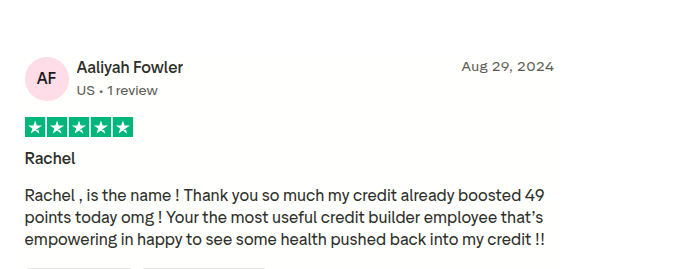
Beyond reporting, Rental Kharma includes unlimited mentoring sessions where credit experts help you understand landlord requirements, interpret your credit report, and develop strategies for qualifying for your target properties. Whether you’re applying soon or planning ahead, our team provides personalized support.
Backed by over 13 years of experience, a 90-day money-back guarantee, and transparent pricing, Rental Kharma makes credit-building practical for renters at any stage.
Get Started with Rental Kharma →
Frequently Asked Questions (FAQs)
Do all landlords check credit scores?
Most professional landlords and property management companies check credit scores as part of their standard screening process. However, individual landlords with smaller portfolios may have more relaxed policies. Some landlords in less competitive markets or with lower-priced properties may not check credit at all, though this is becoming less common.
Can I rent an apartment with no credit history?
Yes, though it may be more challenging. Many landlords will work with renters who have no credit history, especially if you can provide strong references, proof of stable income, or a co-signer. Some landlords view no credit history more favorably than bad credit history, as it doesn’t indicate past financial problems.
How long do negative items stay on my credit report?
Most negative items remain on your credit report for seven years from the date of the initial delinquency. This includes late payments, collections, and charge-offs. Bankruptcies can remain for up to ten years. However, the impact of these items diminishes over time, especially as you build a positive payment history.
How does Rental Kharma help me qualify for better rentals?
Rental Kharma adds your full rental payment history to your credit reports at TransUnion and Equifax, which can boost your score and help you meet landlord minimum requirements. Many renters see improvements within days, expanding their rental options and potentially eliminating the need for co-signers or larger deposits.
*Disclaimer: Credit score improvements vary by individual based on credit history, payment consistency, and scoring models. The results mentioned are averages and not guaranteed. For current pricing, visit Rental Kharma’s website. This article is for educational purposes only, not financial advice.